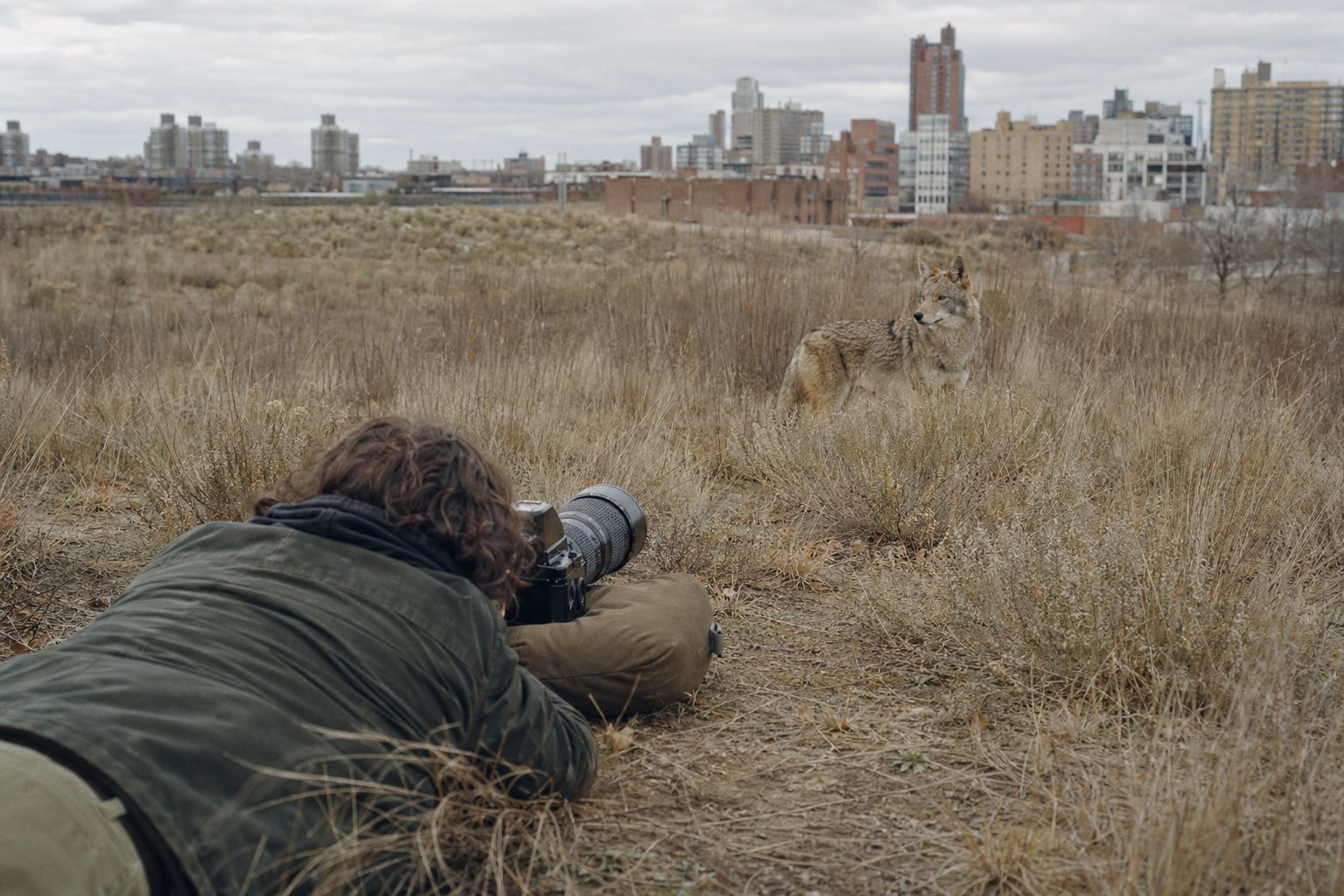
Urban ecology / photojournalism
The Natural History of the Urban Coyote
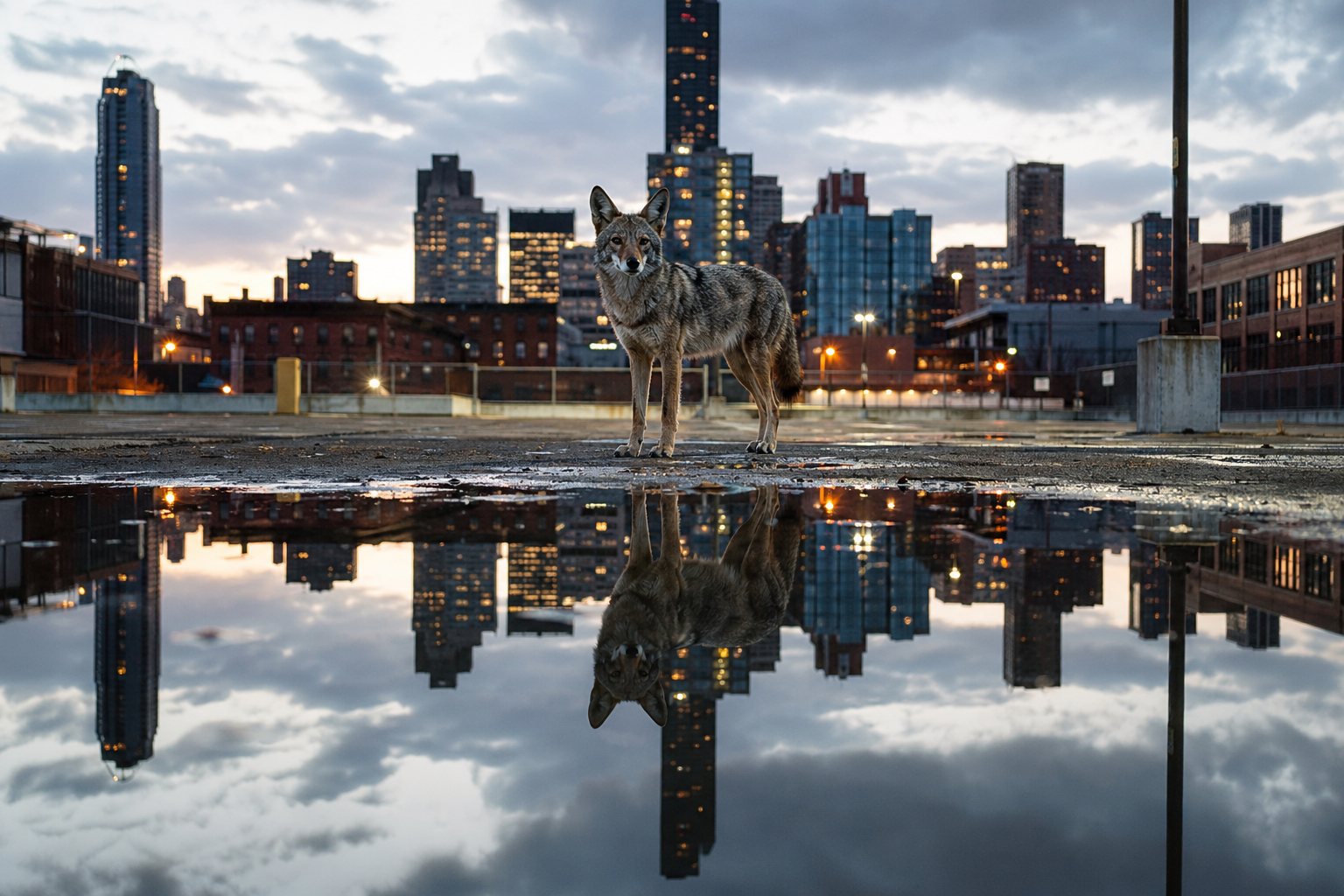
Coyotes cross roads, den in fragments of green space, hunt rodents in parks, and vanish through residential streets before most people know they are there.
Start here
A canid moving through the built landscape
Urban coyotes are present in practically every city in the United States. Some live in large parks and forest preserves. Others build territories from a patchwork of road shoulders, golf courses, creek corridors, cemeteries, residential lawns, and the strips of brush left behind by development.
The stories below follow the animal where human assumptions usually fail: across traffic, through pupping season, under porch lights, around compost piles, and in the chorus of nighttime howls.
Featured reading
Three ways into the subject
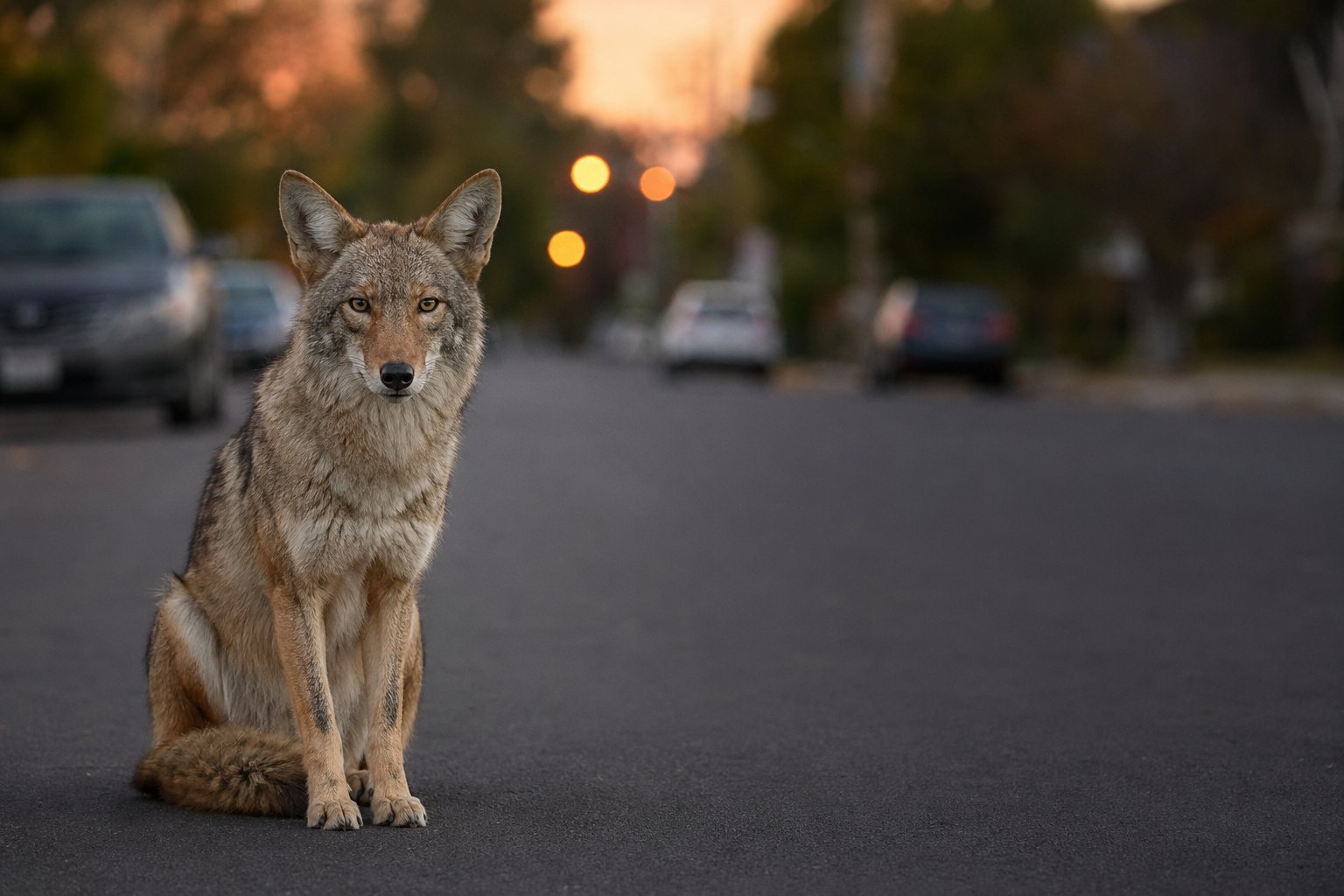
10 fascinating facts about urban coyotes
Territories, dens, packs, food, nocturnal habits — a deep reference on urban coyote ecology in one place.
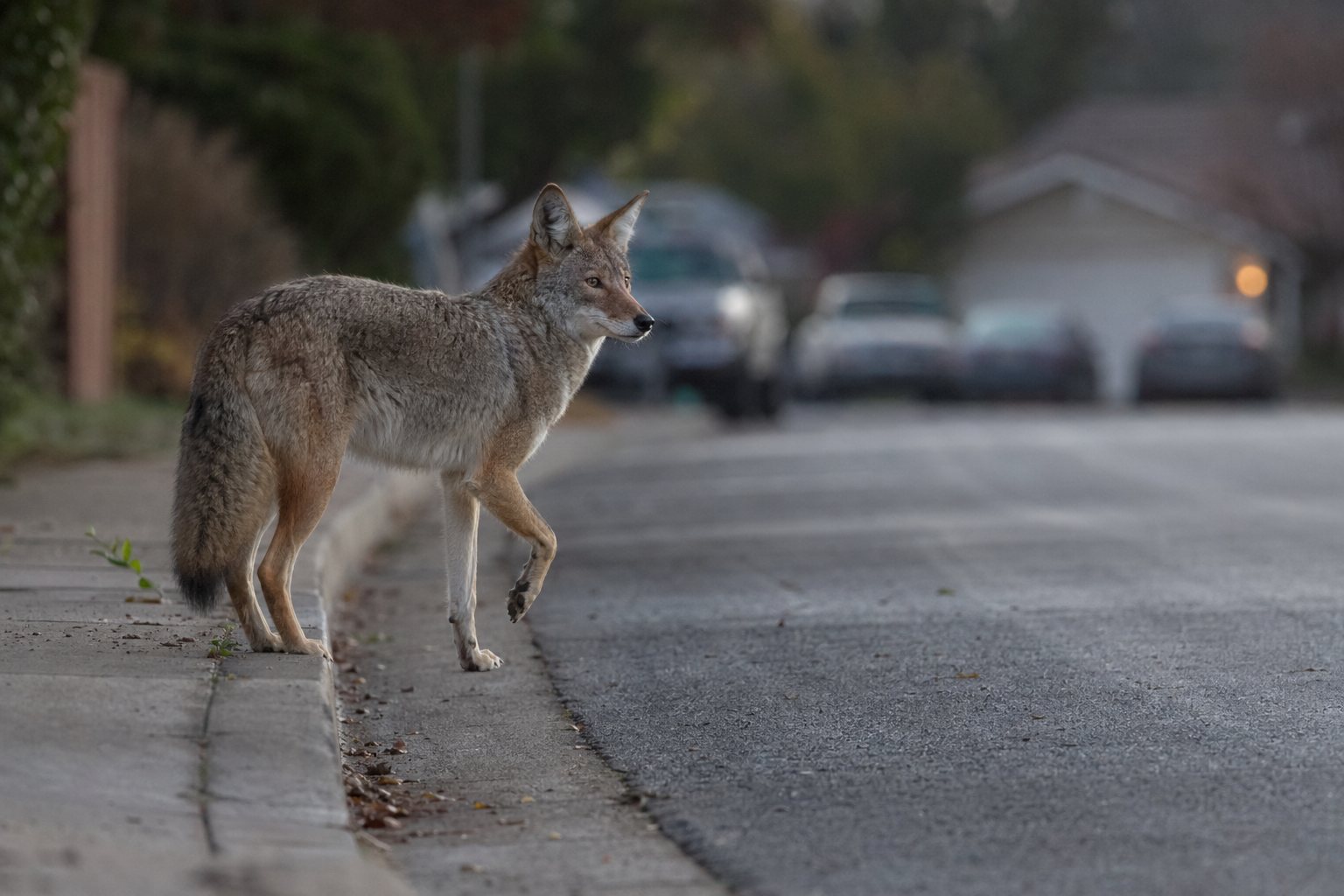
Urban coyotes learn how to navigate roads
Traffic is one of the most persistent pressures on urban coyotes. The survivors become careful students of the street.
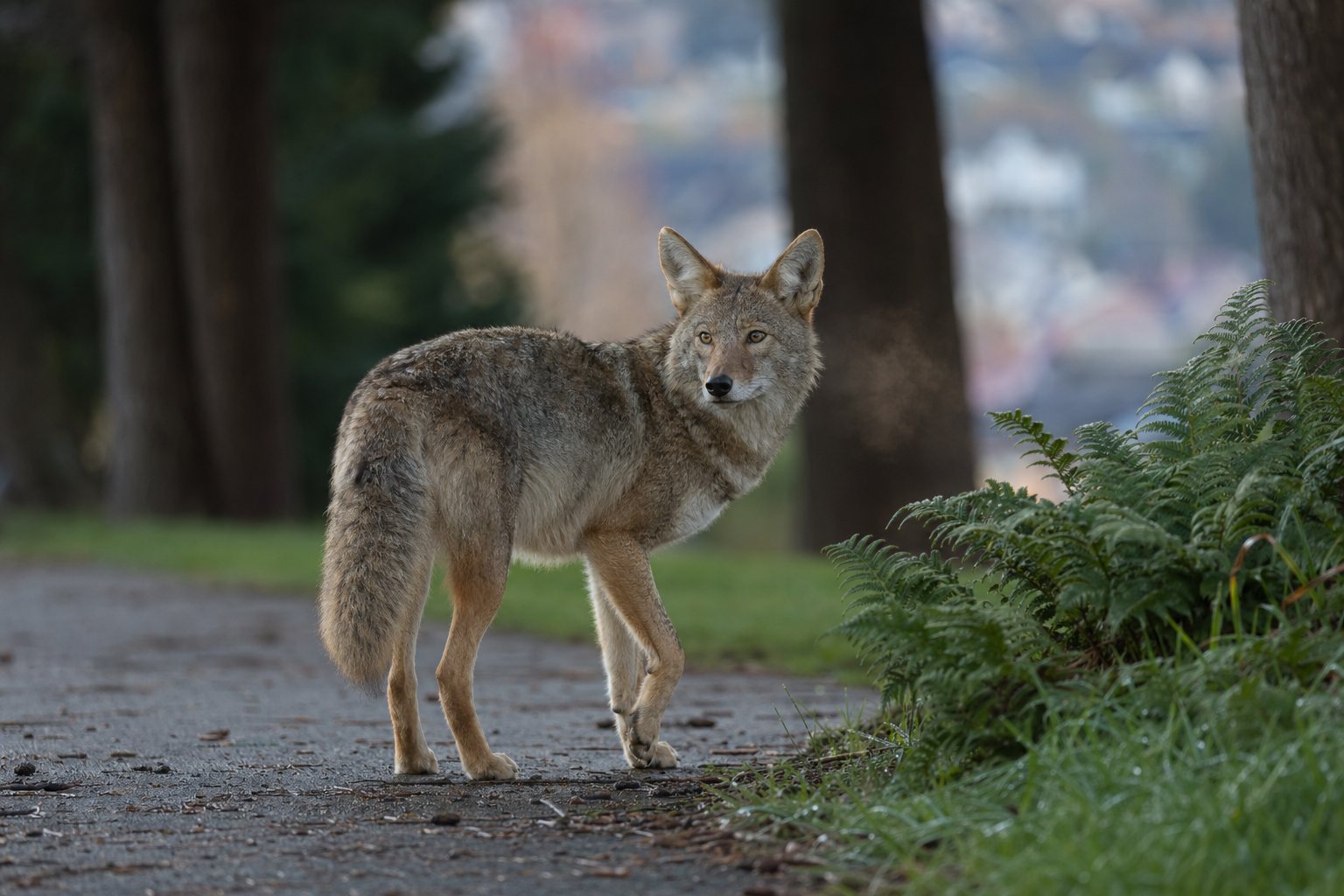
What to do if you encounter a coyote while walking your dog
The most common source of conflict begins with pets, territory, and a walk that suddenly becomes more complicated.
Coexistence
Practical guidance begins with behaviour.
Residents are most effective when they understand why coyotes are near a yard, den, trail, or dog-walking route. Food, shelter, pups, and territoriality explain most encounters before fear has a chance to do the explaining.
Story index
Essays and photo stories
Roads, howls, dens, food sources, pets, and the field project behind the work.
Hitting the road with a National Geographic Expeditions Council Grant
Graffiti, Chicago coyotes, garden gnomes, and three women with cameras on the road for National Geographic.
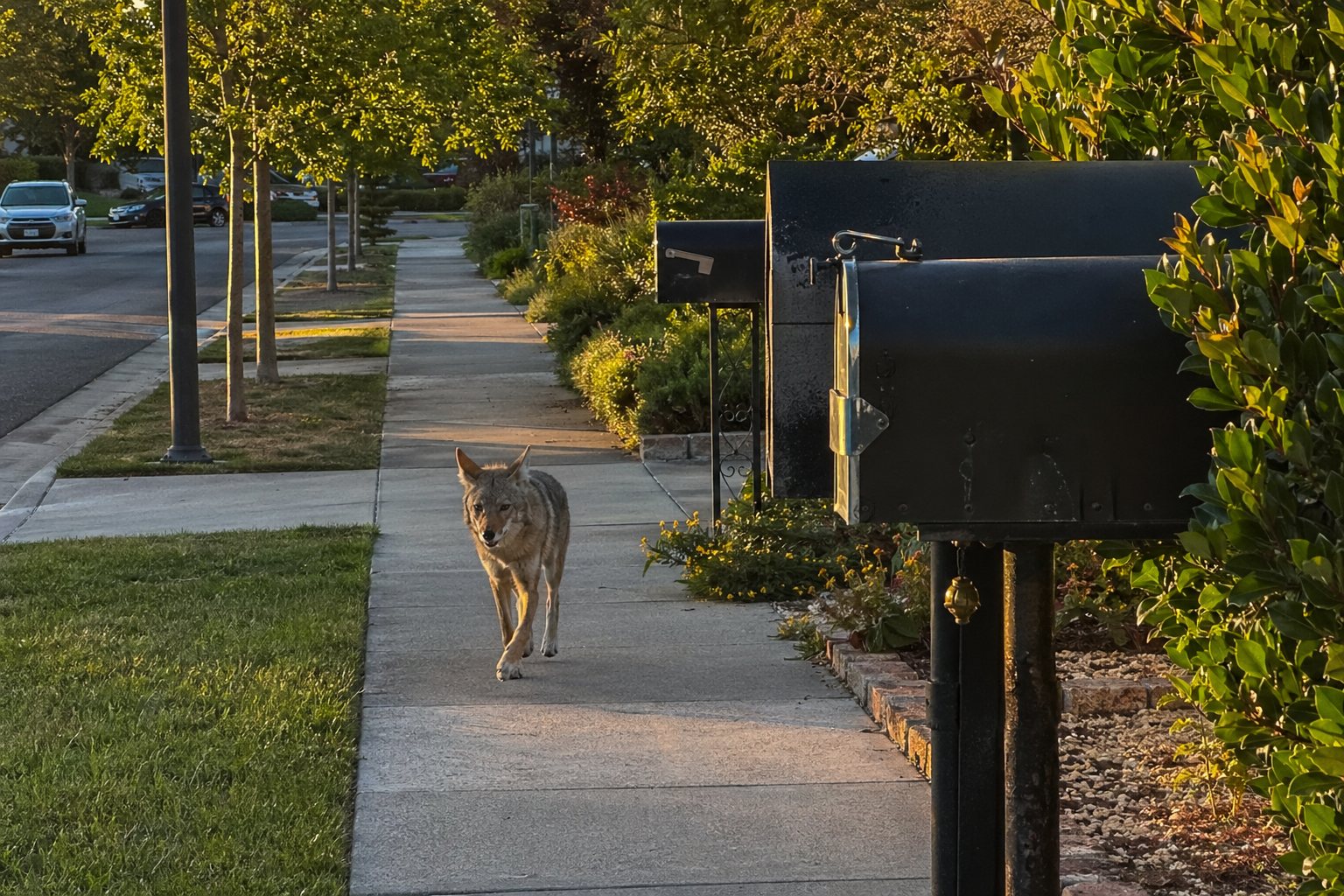
10 ways to help your neighbors be coyote aware
Flyers, workshops, dog-owner conversations, backyard planning — community-level guidance for coyote-aware neighbourhoods.
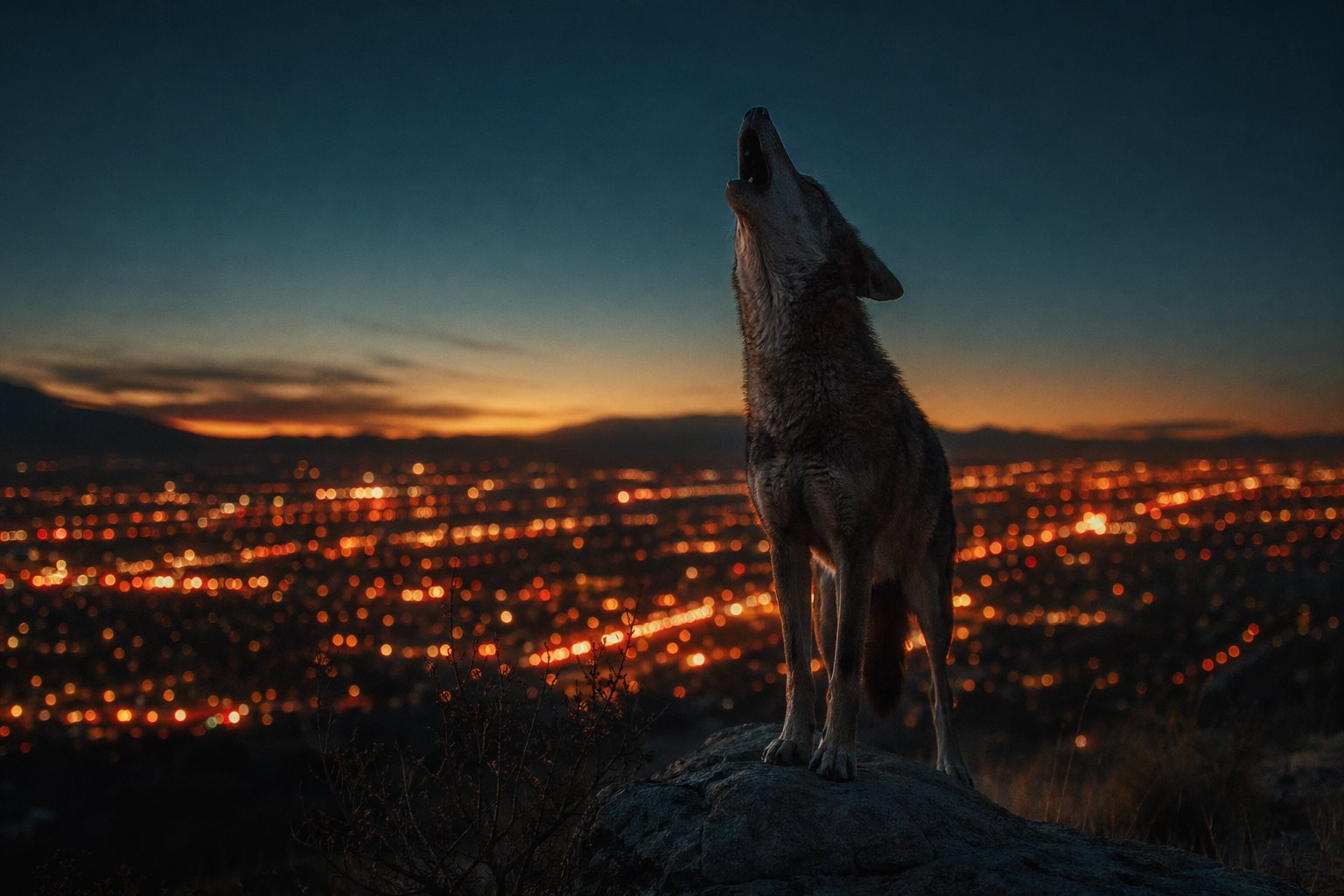
Translating the Song Dog: What coyotes are saying when they howl
The most vocal of North America's mammals — a field-led guide to alarm barks, group yip-howls, and lone howls.
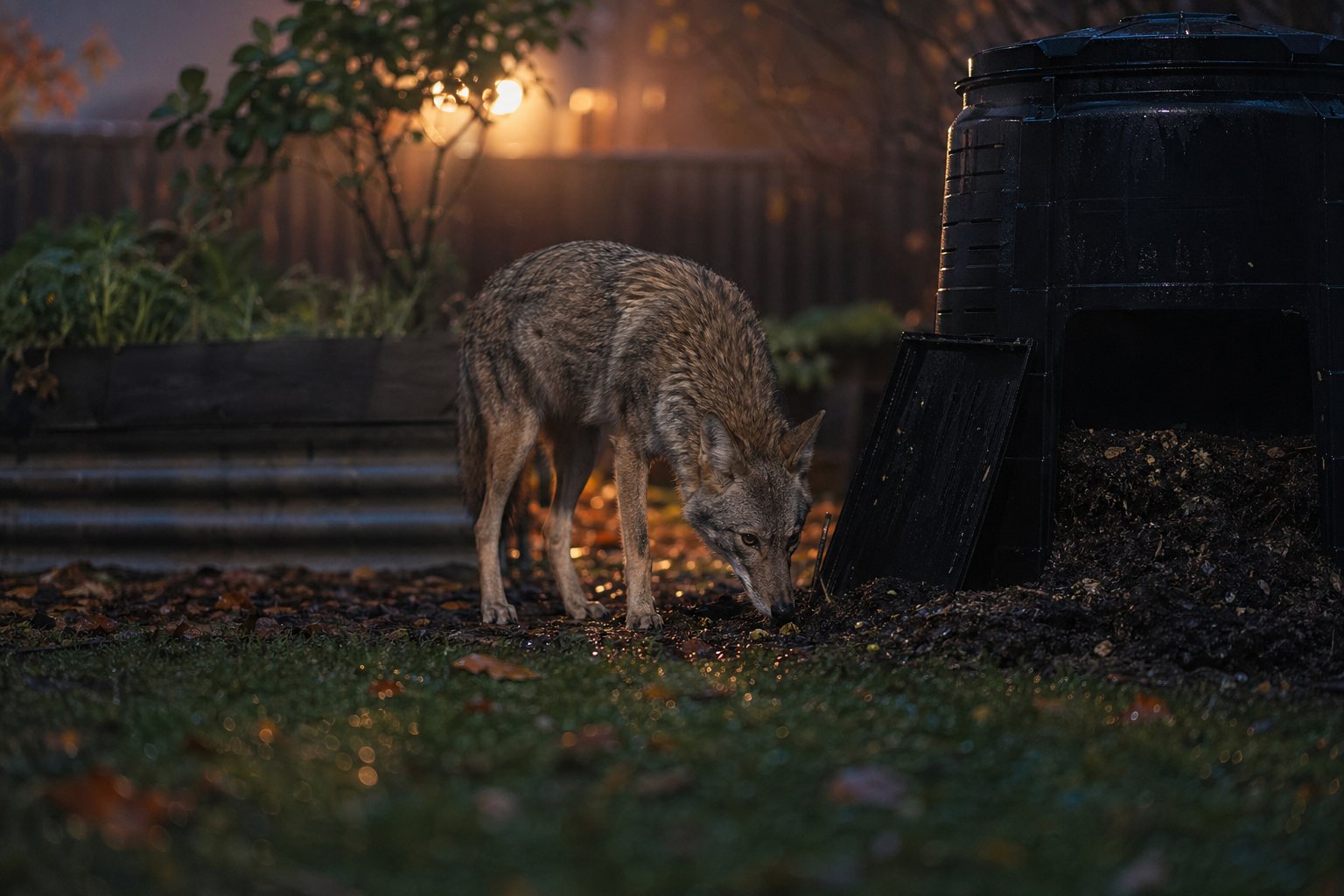
How compost piles are creating problem coyotes
Backyard food sources can draw coyotes into close contact with people, pets, and avoidable danger.
What to do if you encounter a coyote while walking your dog
The most common source of conflict begins with pets, territory, and a walk that suddenly becomes more complicated.
10 fascinating facts about urban coyotes
Territories, dens, packs, food, nocturnal habits — a deep reference on urban coyote ecology in one place.
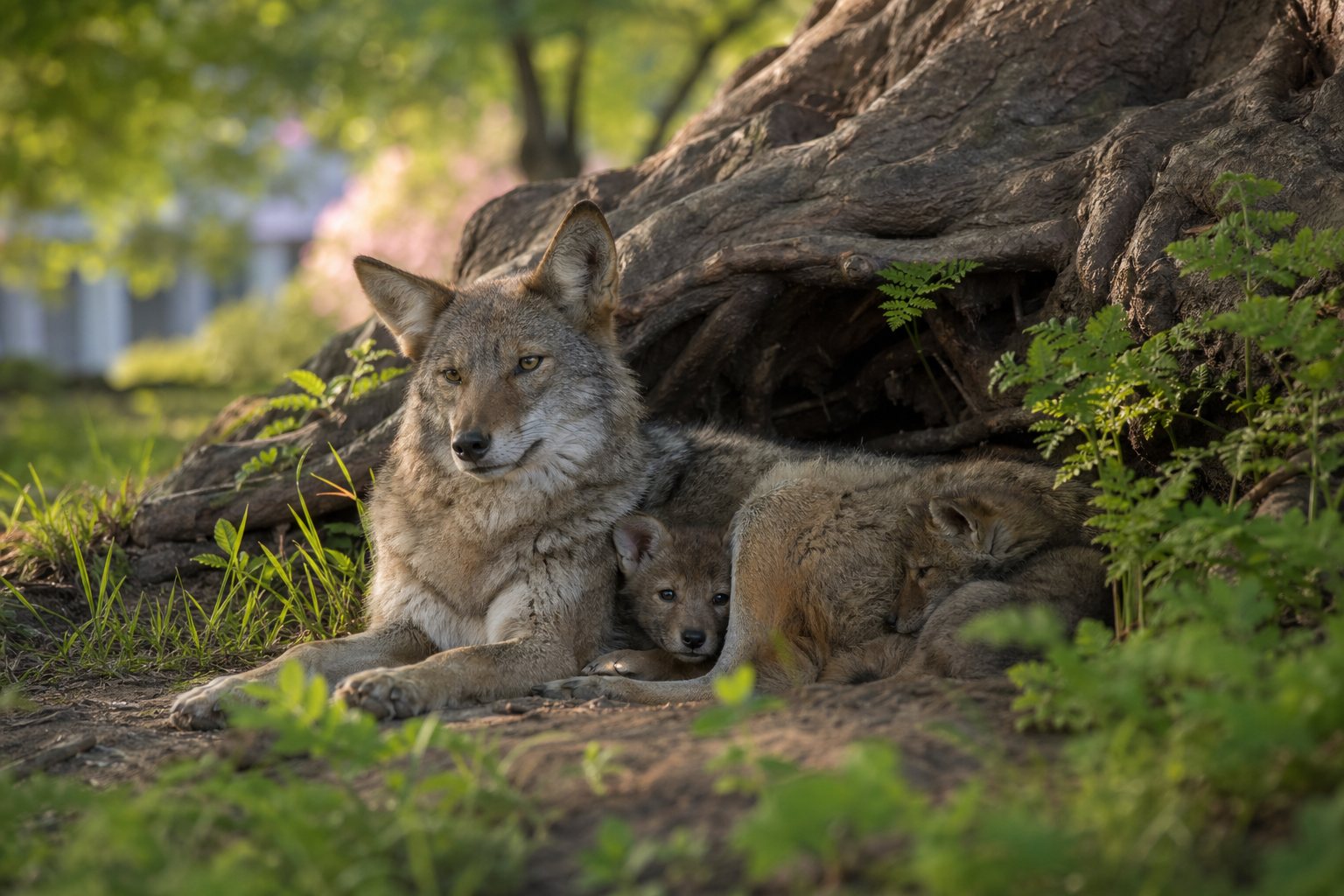
It's coyote pupping season! What you need to know to coexist
Spring denning changes coyote behaviour. A field-led explainer on what residents and dog-walkers should expect.
Urban coyotes learn how to navigate roads
Traffic is one of the most persistent pressures on urban coyotes. The survivors become careful students of the street.
Urban coyotes: Finding inspiration in a controversial canid
Why a divisive, often-vilified canid deserves long-form attention. The opening editorial for the project.